

2026 CMS Evolution: Beyond Content Management, Towards Experience Orchestration
The CMS landscape in 2026 demands more than just content delivery. It's about unified customer experiences, leveraging composable architectures and AI to drive personalized engagement at scale.

Composable CMS Dominance
The monolithic CMS has largely receded, replaced by a composable future. Businesses are assembling best-of-breed components – headless CMS, e-commerce, personalization engines, and analytics – to create agile, scalable digital ecosystems. This modularity allows for unprecedented flexibility and reduces vendor lock-in, enabling brands to adapt rapidly to market shifts. A recent Gartner report projected that by 2027, 70% of new digital experience platforms will be composable, emphasizing this strategic pivot.
AI as the CMS Co-Pilot
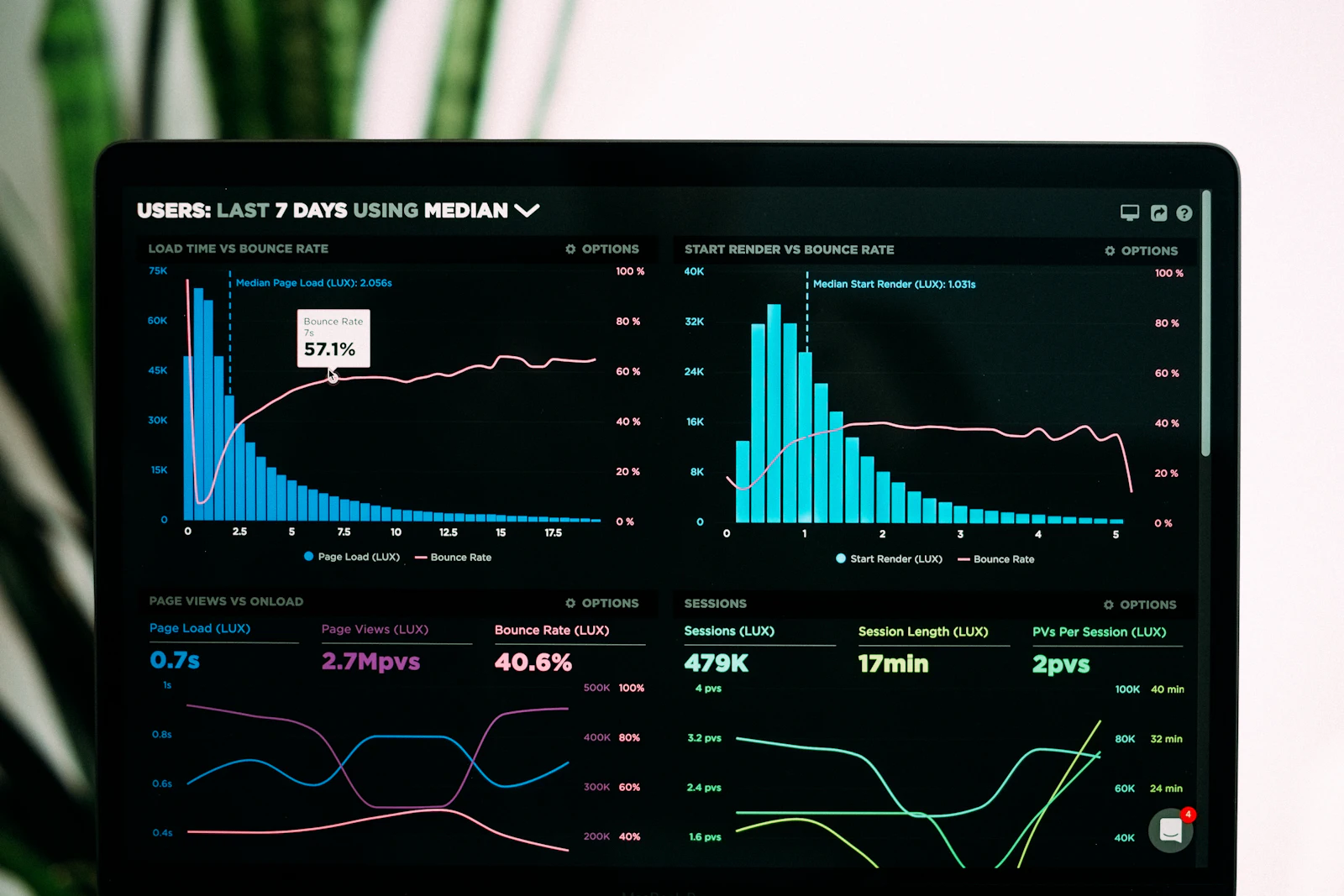
Artificial intelligence is no longer an optional add-on but an intrinsic layer within modern CMS platforms. AI-driven capabilities now automate content generation, optimize SEO in real-time, personalize content delivery for individual users, and provide predictive analytics for content performance. This elevates the role of content creators from pure production to strategic oversight, freeing them to focus on high-value conceptualization and narrative development. DataReportal insights indicate a 40% increase in AI-assisted content production workflows by 2025 across leading enterprises.
From Content to Experience Orchestration
The contemporary CMS transcends simple content storage; it's the central nervous system for holistic customer experience orchestration. Integrating seamlessly with CRM, marketing automation, and IoT devices, it delivers consistent, contextualized experiences across every touchpoint – from smart speakers to VR interfaces. Brands now demand platforms that don't just manage content, but actively facilitate personalized journeys, ensuring brand coherence and maximizing engagement. McKinsey's 2024 Digital Experience survey found that companies prioritizing seamless omnichannel experiences achieve 15% higher revenue growth.